A Practical Guide for Safer Driving in Memphis
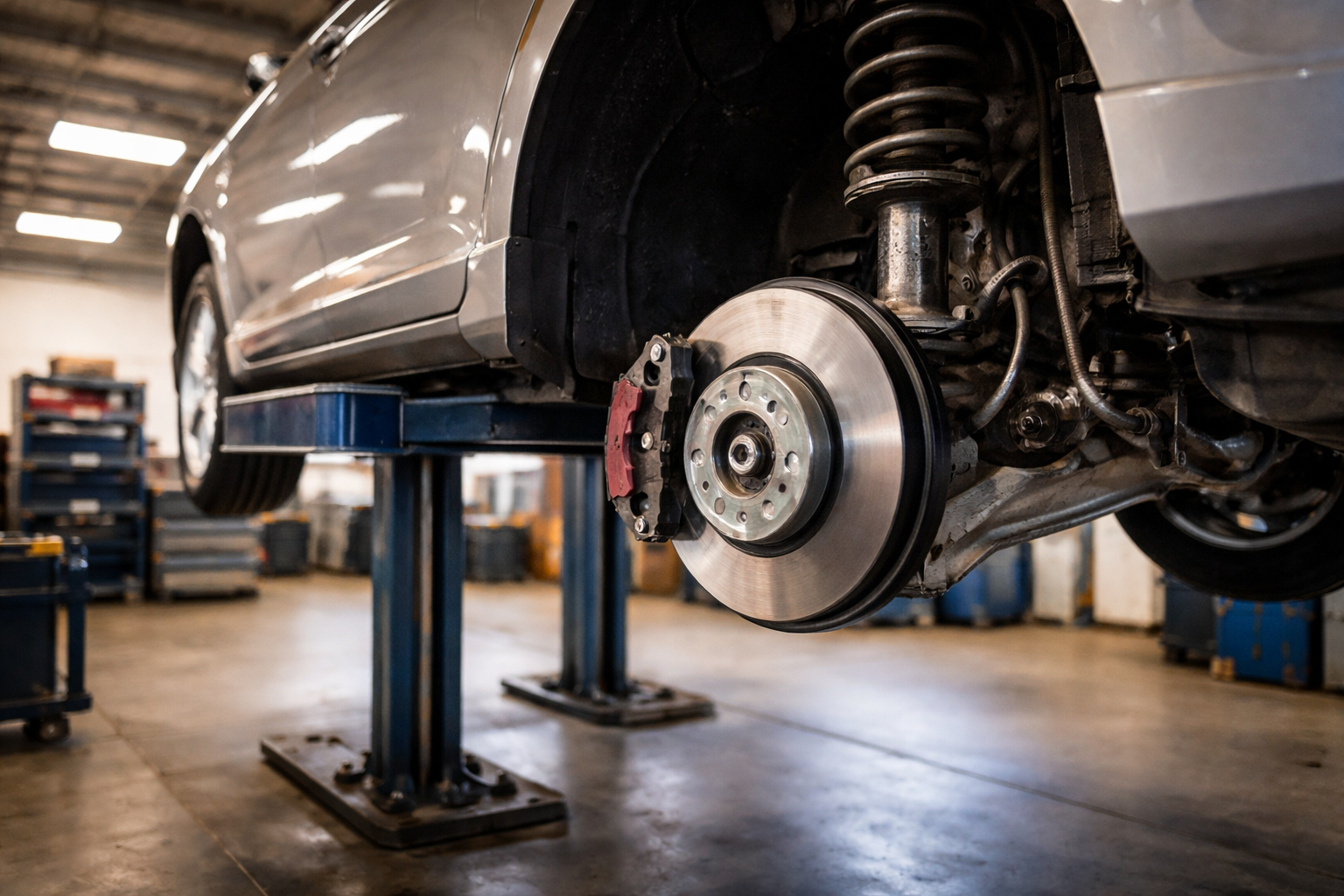
Your brakes, steering, and suspension work together to keep your vehicle stable, controllable, and safe. When one system starts to wear, the others often suffer—leading to longer stopping distances, poor handling, and uneven tire wear.
At Snell Automotive, we see these issues develop gradually, which is why many drivers don’t realize there’s a problem until performance noticeably changes. This guide explains how these systems work together, the most common warning signs, and when repairs should not be delayed.
How These Systems Work Together
- Brakes slow and stop your vehicle.
- Suspension keeps tires firmly planted on the road.
- Steering controls direction and stability.
Even the best brakes can’t perform properly if suspension components are worn. Likewise, steering issues can cause uneven braking and reduced control—especially during emergency stops.
Common Brake Problems Drivers Experience
Brake issues often start quietly and worsen over time. Typical signs include:
- Squealing or grinding noises
- Vibration when braking
- A soft or spongy pedal
- Longer stopping distances
Brake wear doesn’t always mean immediate failure, but ignoring early signs can lead to rotor damage and increased repair costs.
Steering Issues That Affect Control
Steering problems reduce your ability to safely guide the vehicle. Warning signs include:
- Vehicle pulling left or right
- Loose or wandering steering
- Clunking noises when turning or hitting bumps
These symptoms often point to worn tie rods, ball joints, or alignment issues that should be addressed before they affect braking and tire wear.
Suspension Wear and Ride Quality
Suspension components wear slowly, which makes problems easy to overlook. Common symptoms include:
- Excessive bouncing after bumps
- Nose-diving when braking
- Poor handling on uneven roads
- Uneven tire wear
Worn shocks and struts reduce traction and can increase stopping distance—even if the brakes themselves are in good condition.
Why These Problems Show Up Faster in Memphis
Memphis driving conditions accelerate wear:
- Stop-and-go traffic
- Rough or uneven road surfaces
- Heat that breaks down components faster
- High-mileage vehicles common in daily use
These factors make regular inspection especially important for safety and long-term reliability.
When to Have Your Vehicle Inspected
You should schedule an inspection if you notice:
- New noises or vibrations
- Changes in steering feel
- Uneven tire wear
- Reduced braking confidence
Catching issues early often means simpler, less expensive repairs.
Our Approach at Snell Automotive
We focus on:
- Full system inspections—not just one component
- Clear explanations of what’s worn and why
- Safety-first recommendations
- Repairs based on condition, not assumptions
You’ll understand what your vehicle needs and why before any work is performed.
Learn More About Specific Problems
For deeper explanations, explore these related guides:
Schedule Brakes & Suspension Service in Memphis
If your vehicle doesn’t stop, steer, or ride the way it should, don’t wait. Contact Snell Automotive for a professional inspection and straightforward guidance you can trust.