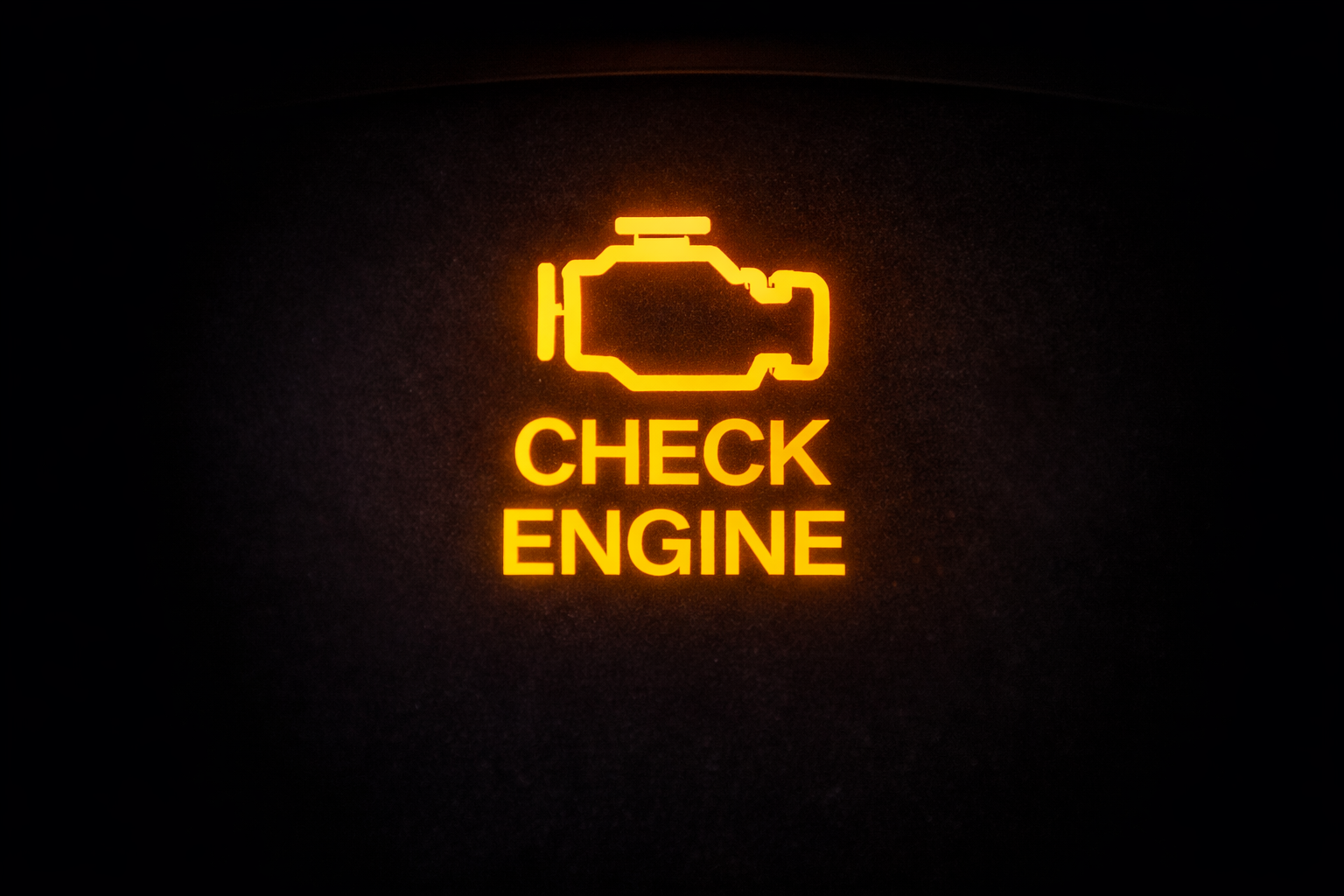
Dashboard warning lights are designed to get your attention—but not all of them mean the same thing. Before a road trip, many drivers wonder whether a warning light can wait or if it needs immediate attention. The answer depends on the light, the driving conditions, and how far you’re planning to go.
Ignoring the wrong warning light before a trip can turn a manageable issue into a breakdown far from home.
Why Warning Lights Matter More Before Long Drives
Daily driving often masks developing problems. Short trips, moderate speeds, and frequent stops don’t stress vehicle systems the same way long highway drives do. Road trips involve:
- Sustained engine operation
- Higher temperatures
- Increased electrical demand
- Extended braking and cooling loads
A warning light that seems minor during local driving can worsen quickly once miles add up.
Warning Lights You Should Never Ignore Before a Trip
Some warning lights signal issues that can escalate rapidly during long drives:
- Check Engine Light (flashing) Indicates a serious engine or emissions problem that can cause damage if driven.
- Engine Temperature Warning Suggests overheating risk—one of the most common causes of roadside breakdowns.
- Oil Pressure Warning Low oil pressure can cause severe engine damage in minutes.
- Brake System Warning May indicate low brake fluid, brake failure risk, or electronic brake system issues.
These lights should always be checked before traveling.
Lights That Still Deserve Attention
Other warning lights may not require immediate towing, but they still matter before a trip:
- Check Engine Light (solid) May indicate emissions, sensor, or engine performance issues that worsen under load.
- Battery or Charging System Light Signals potential electrical failure—often revealed during long drives.
- ABS or Traction Control Lights Affect braking stability, especially in rain or emergency stops.
While these lights don’t always mean “don’t drive,” they should be diagnosed before extended travel.
Why Warning Lights Often Appear Right Before Trips
Many drivers notice warning lights just before vacations because:
- Seasonal temperature changes expose weak components
- Long drives stress systems that haven’t been pushed recently
- Batteries, cooling systems, and sensors are already marginal
The timing isn’t bad luck—it’s a warning.
What Happens During a Warning Light Inspection
At Snell Automotive, diagnosing a warning light involves:
- Reading diagnostic trouble codes
- Identifying whether the issue is urgent or monitor-only
- Checking related systems for underlying causes
- Explaining travel risk clearly before decisions are made
The goal is to determine whether the vehicle is safe to travel—not to upsell unnecessary repairs.
When It’s Especially Important to Check a Warning Light
You should have a warning light checked if:
- You’re planning a long road trip
- Temperatures are rising or falling significantly
- The light appeared recently
- The vehicle hasn’t been inspected in a while
Ignoring a warning light before travel often leads to higher costs and more inconvenience later.
Prevention Is Easier Than a Roadside Repair
Many roadside breakdowns start with a warning light that was dismissed as “probably fine.” A quick inspection before a trip can:
- Prevent towing and delays
- Protect the engine and braking systems
- Provide peace of mind while traveling
It’s far easier to address a warning light at home than on the shoulder of the highway.