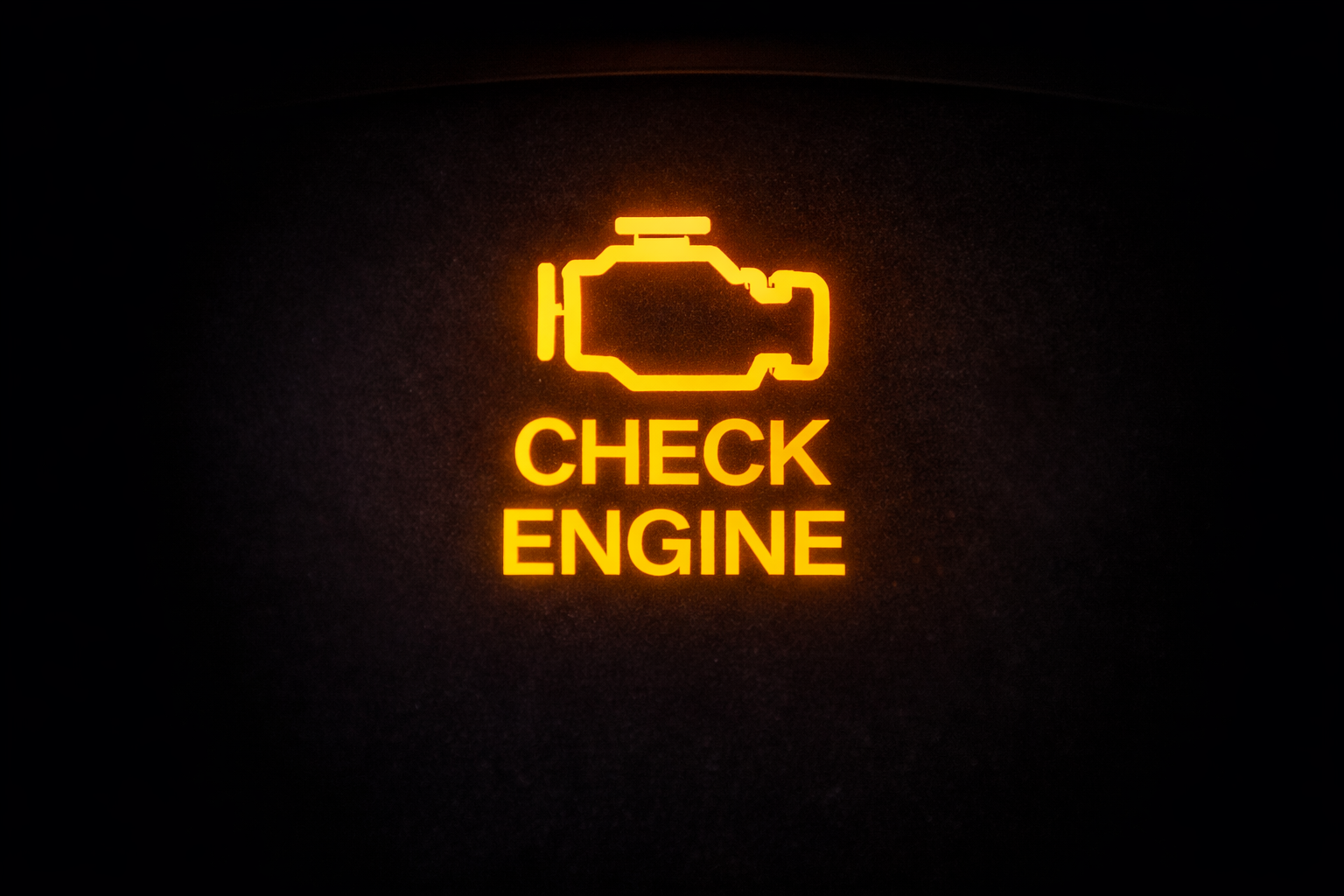
Seeing the check engine light come on can be stressful—especially if your car still seems to be driving normally. The truth is that this light covers a wide range of issues, from minor sensor faults to problems that can cause serious engine damage if ignored. Knowing how to interpret the light helps you decide what to do next.
At Snell Automotive, check engine light diagnostics focus on identifying the actual cause of the warning so you can make an informed decision, not a rushed one.
What the Check Engine Light Is Telling You
The check engine light means the vehicle’s onboard computer has detected something operating outside normal parameters. This could involve:
- Engine performance
- Emissions systems
- Fuel delivery
- Ignition components
- Sensors or electronic controls
The light does not automatically mean your engine is about to fail—but it does mean the issue should be evaluated.
Solid vs. Flashing Check Engine Light
Understanding how the light behaves is critical.
Solid Check Engine Light
A steady light usually indicates a non-immediate issue such as:
- Faulty sensors
- Emissions-related problems
- Minor engine performance issues
In many cases, the vehicle can still be driven short distances, but the problem should be diagnosed soon—especially before long trips.
Flashing Check Engine Light
A flashing light indicates a serious problem, often related to engine misfires. Continuing to drive may cause:
- Engine damage
- Catalytic converter failure
If the light is flashing, driving should be limited and the vehicle inspected immediately.
Common Causes of a Check Engine Light
Some of the most common issues behind a check engine light include:
- Loose or faulty gas cap
- Failed oxygen or mass airflow sensors
- Ignition problems (spark plugs or coils)
- Fuel system issues
- Engine misfires
- Emissions system faults
Only diagnostic testing can determine which issue is present.
Why the Car May Still Feel “Fine”
Modern vehicles are designed to compensate when problems arise. The engine computer may adjust fuel delivery or timing to keep the vehicle running smoothly, even when something isn’t right. This is why many drivers don’t notice performance changes right away—but continued driving can allow the issue to worsen.
When a Check Engine Light Becomes Serious
A check engine light should be considered more urgent if:
- The light is flashing
- The engine is running rough
- There’s a noticeable loss of power
- Fuel economy drops suddenly
- Unusual noises or smells appear
These signs often indicate conditions that can escalate quickly.
Why Guessing Can Be Costly
Replacing parts based on guesswork often leads to:
- Unnecessary repairs
- Continued warning lights
- Higher long-term costs
Proper diagnostics identify the root cause so repairs address the actual issue—not just the symptom.
What Happens During a Diagnostic Inspection
A professional check engine light inspection typically includes:
- Retrieving diagnostic trouble codes
- Testing related systems and sensors
- Verifying mechanical and electronic operation
- Explaining severity and repair options clearly
This process helps determine whether the issue requires immediate repair or can be planned.
When to Have a Check Engine Light Checked
You should schedule diagnostics if:
- The light stays on more than a short time
- You’re planning a long drive
- Performance or fuel economy changes
- The light recently appeared
Early evaluation often prevents more expensive repairs later.