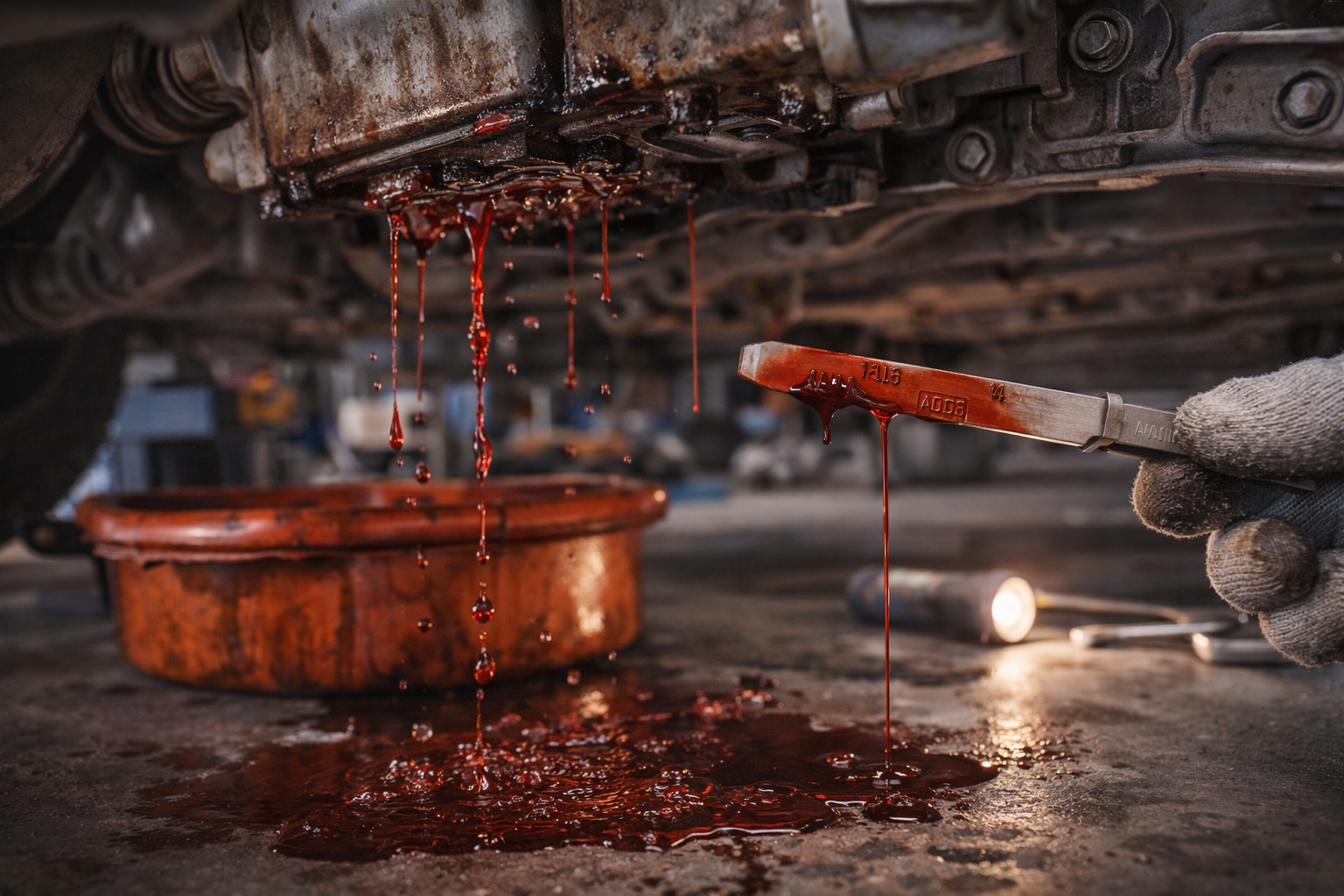
Transmission fluid plays a critical role in how smoothly and reliably your vehicle shifts. When fluid levels are low or the fluid becomes dirty or degraded, even a well-designed transmission can develop serious problems. Many transmission failures begin with fluid-related issues that go unnoticed until performance changes become obvious.
At Snell Automotive, transmission inspections often reveal fluid condition as a key factor behind slipping, harsh shifting, and delayed engagement.
What Transmission Fluid Actually Does
Transmission fluid serves multiple functions at once:
- Lubricates internal components
- Transfers hydraulic pressure for gear changes
- Cools the transmission during operation
- Protects seals and internal surfaces
When fluid condition degrades, all of these functions are affected at the same time.
How Low Fluid Causes Transmission Problems
Low transmission fluid reduces hydraulic pressure, which can lead to:
- Slipping between gears
- Delayed engagement when shifting
- Overheating due to reduced cooling
- Increased internal wear
Fluid levels typically drop due to leaks, which may not always leave visible spots under the vehicle.
Why Dirty or Burnt Fluid Is a Serious Warning Sign
Transmission fluid naturally breaks down over time due to heat and friction. When fluid becomes dirty or burnt:
- Shifting becomes less precise
- Heat control is reduced
- Internal clutches and seals wear faster
Burnt-smelling or dark fluid often indicates overheating or excessive wear that should be addressed promptly.
Common Causes of Fluid Degradation
Transmission fluid problems are often caused by:
- High operating temperatures
- Stop-and-go traffic
- Heavy loads or towing
- Extended service intervals
- Leaks from seals or cooler lines
Even transmissions labeled as “sealed” or “lifetime fill” still experience fluid breakdown over time.
Symptoms That Point to Fluid-Related Issues
Drivers may notice:
- Slipping or inconsistent shifts
- Hard or jerky gear changes
- Delayed engagement into drive or reverse
- Transmission overheating warnings
- A burning smell
These symptoms often worsen quickly once fluid condition declines.
Why Fluid Issues Are Common for Memphis Drivers
Heat, traffic congestion, and daily driving patterns common in the Memphis area accelerate fluid breakdown. Vehicles driven frequently in stop-and-go conditions or used for long trips are especially prone to transmission fluid degradation.
How Transmission Fluid Problems Are Diagnosed
A proper inspection includes:
- Checking fluid level (where applicable)
- Evaluating fluid color and odor
- Inspecting for leaks
- Reviewing transmission performance data
This helps determine whether fluid service, leak repair, or further diagnostics are needed.
When to Have Transmission Fluid Checked
Transmission fluid inspection is recommended if:
- Shifting behavior changes
- The vehicle hesitates when engaging gears
- A warning light appears
- The vehicle hasn’t been inspected recently
- You’re planning extended driving
Early inspection often prevents more extensive repairs.