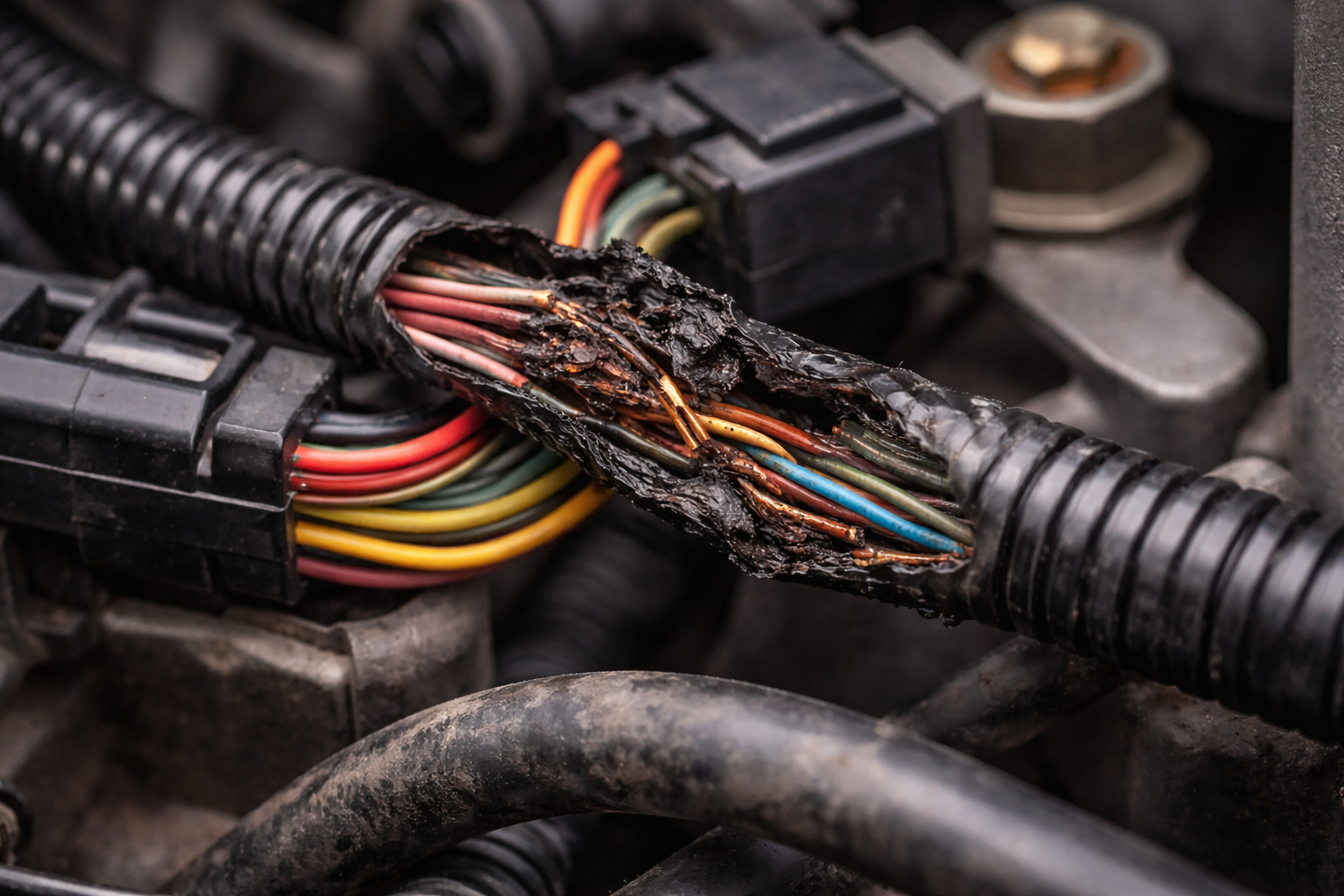
Few vehicle problems are more frustrating than electrical issues that appear randomly and then disappear. One day everything works fine, and the next day a warning light, no-start condition, or system failure shows up without warning. These intermittent electrical problems are among the most challenging issues to diagnose—but understanding why helps explain the need for professional testing.
At Snell Automotive, intermittent electrical diagnostics focus on identifying the conditions that trigger failures, not just the symptoms that happen to be present at the moment.
What Makes an Electrical Problem “Intermittent”
An intermittent problem is one that:
- Comes and goes without a clear pattern
- Does not trigger a warning light every time
- May disappear during a shop visit
- Returns under specific conditions
These issues often leave no obvious signs unless the vehicle is tested correctly.
Common Symptoms of Intermittent Electrical Issues
Drivers often report:
- Warning lights that turn on and off
- Flickering headlights or interior lights
- Systems that stop working temporarily
- Random no-start or slow-start conditions
- Features that work one day and fail the next
Because the vehicle may drive normally most of the time, these problems are easy to dismiss—until they worsen.
Why Intermittent Electrical Problems Are Hard to Reproduce
Electrical faults are often affected by:
- Temperature changes
- Vibration while driving
- Moisture or humidity
- Electrical load changes
A loose connection, damaged wire, or failing sensor may only misbehave under specific conditions. Once the vehicle cools down or sits still, the issue may temporarily disappear.
Common Causes of Intermittent Electrical Problems
Most intermittent issues stem from:
- Loose or corroded electrical connections
- Failing sensors sending inconsistent data
- Wiring damage from heat or vibration
- Weak batteries or charging system fluctuations
- Control modules losing communication
These faults don’t always generate clear error codes, making diagnosis more complex than scanning for faults.
Why Clearing Codes or Replacing Parts Rarely Fixes the Issue
Clearing warning lights without addressing the cause often provides only temporary relief. Replacing parts without testing can:
- Increase repair costs
- Fail to resolve the problem
- Mask the real issue
Intermittent electrical problems require confirmation, not guesswork.
How Professional Diagnostics Help
Proper diagnostics may include:
- Monitoring live system data
- Testing circuits under load
- Inspecting wiring and connectors
- Evaluating battery and charging performance
- Replicating driving conditions that trigger the fault
This approach increases the chances of finding the issue even when it isn’t actively occurring.
Why Intermittent Electrical Problems Often Get Worse
Electrical faults rarely stay minor. Over time, vibration, heat, and wear typically cause:
- More frequent failures
- Longer warning light activation
- Loss of system functionality
- Increased safety risk
Early diagnosis often prevents a minor electrical issue from turning into a major drivability or no-start problem.
When to Schedule Diagnostics
You should schedule an inspection if:
- Electrical problems keep returning
- Warning lights appear intermittently
- Systems behave unpredictably
- The issue affects starting, braking, or steering
- You’re planning extended driving
Catching intermittent problems early saves time, money, and frustration.