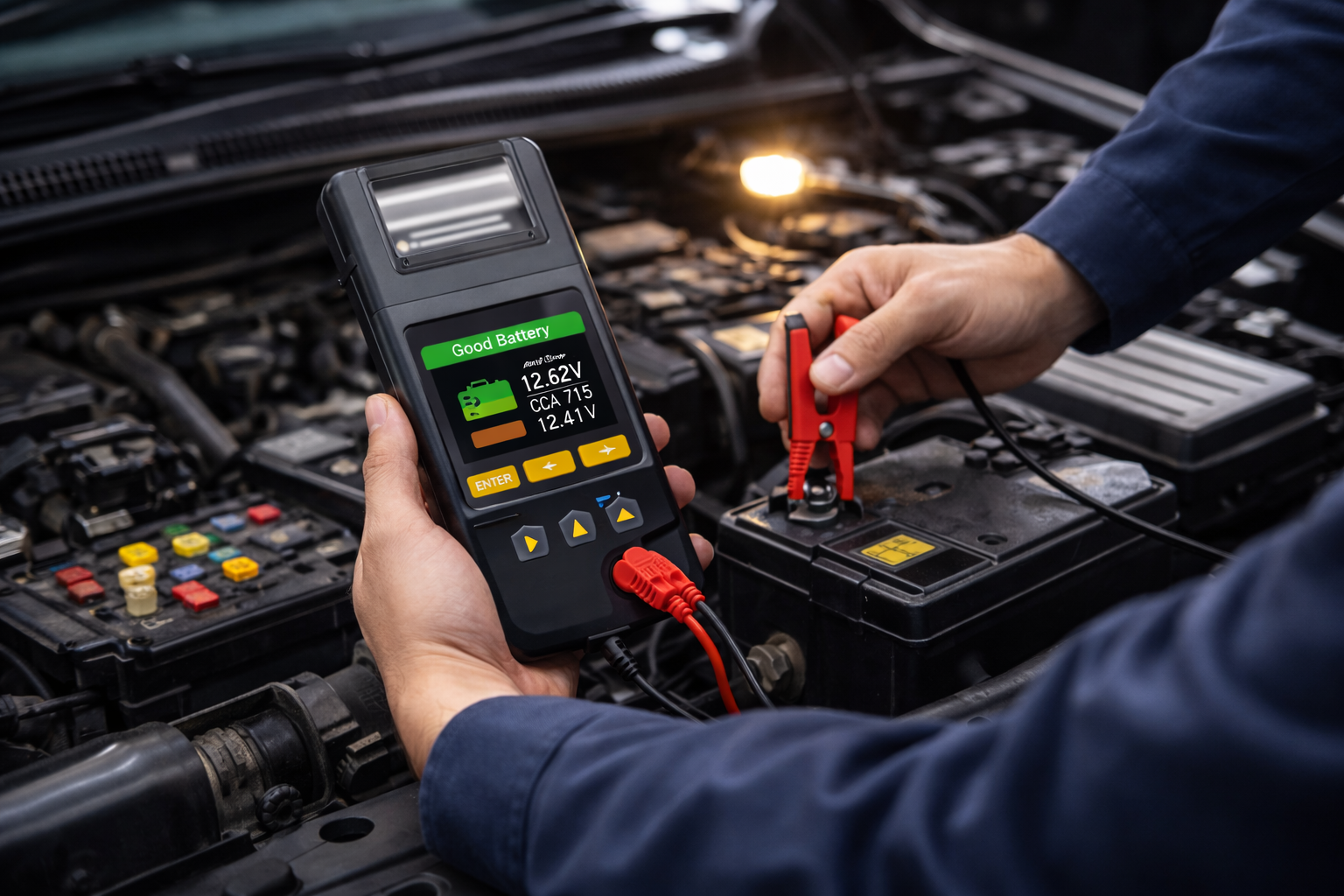
A car battery that repeatedly dies—even after being replaced—usually points to an underlying electrical issue. One of the most common causes is parasitic drain, a condition where electrical components continue to draw power after the vehicle is turned off. Understanding how parasitic drain works helps explain why jump-starts and new batteries often don’t fix the real problem.
At Snell Automotive, battery drain diagnostics focus on identifying where power is being used when it shouldn’t be—so the issue can be corrected properly.
What Is Parasitic Drain?
Parasitic drain occurs when an electrical circuit remains active after the vehicle is shut off. While all modern vehicles use a small amount of power to retain memory for systems like radios and computers, excessive drain can discharge a battery overnight or within a few days.
Normal standby draw is minimal. When that draw increases, the battery cannot hold a charge.
Common Symptoms of a Battery Drain Problem
Drivers often notice:
- A dead battery after sitting overnight or over a weekend
- Repeated jump-starts
- A new battery that fails quickly
- No warning lights or obvious electrical issues
Because the vehicle may drive normally once started, parasitic drain often goes unnoticed until the battery fails again.
What Causes Parasitic Battery Drain?
Parasitic drain is typically caused by:
- Faulty control modules that don’t shut down
- Stuck relays or switches
- Aftermarket accessories wired incorrectly
- Interior or trunk lights staying on
- Wiring damage or corrosion
- Malfunctioning keyless entry or alarm systems
These issues can be difficult to spot without proper testing.
Why Replacing the Battery Doesn’t Fix the Problem
A new battery may temporarily mask parasitic drain by holding a stronger charge—but the underlying electrical draw remains. Over time, even a brand-new battery will discharge if power is being consumed continuously.
This is why repeated battery replacements often lead to the same outcome.
How Parasitic Drain Is Diagnosed
Proper parasitic drain testing involves:
- Measuring electrical draw with the vehicle off
- Isolating circuits one at a time
- Identifying which system is consuming power
- Verifying shutdown behavior of modules and components
This process takes time and precision, which is why parasitic drain problems can’t be diagnosed with a simple battery test alone.
Why Battery Drain Problems Are Common in Modern Vehicles
Modern vehicles contain dozens of electronic systems that communicate constantly. A single module failing to enter sleep mode can drain the battery without triggering a warning light. Heat, vibration, and aging wiring common in daily driving conditions can accelerate these issues.
When to Schedule a Battery Drain Inspection
You should have your vehicle inspected if:
- The battery repeatedly dies without explanation
- Jump-starts are becoming frequent
- The battery tests “good” but still won’t hold a charge
- Electrical issues appear intermittently
Early diagnostics prevent unnecessary battery replacements and reduce the risk of being stranded.