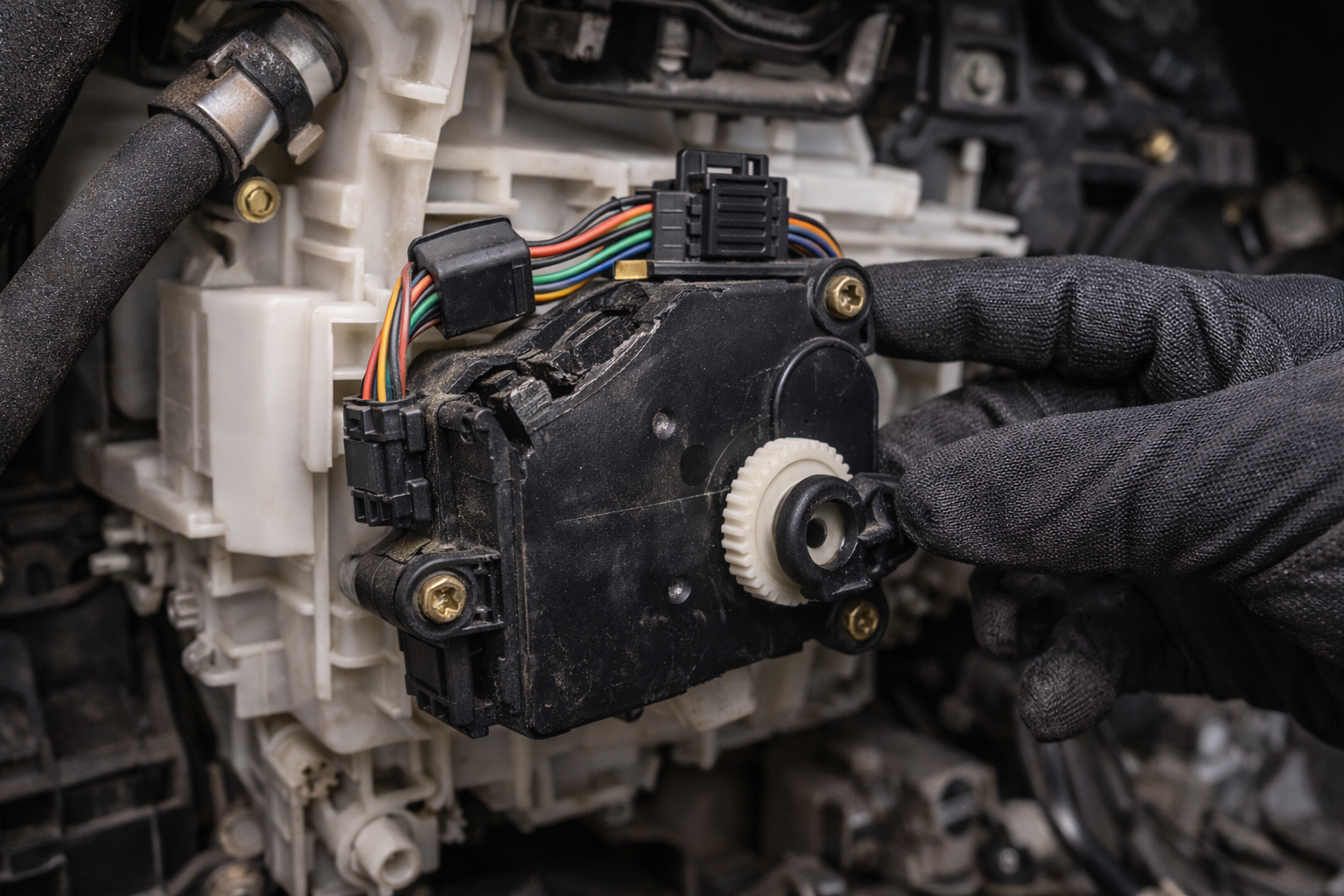
When your AC stops blowing cold, the heat won’t warm up, or climate controls respond inconsistently, the problem isn’t always refrigerant or mechanical failure. In modern vehicles, climate systems rely heavily on electrical components, sensors, and control modules. When one part of that network fails, comfort—and sometimes visibility—can suffer.
At Snell Automotive, climate control diagnostics focus on identifying whether the issue is electrical, sensor-related, or mechanical—so repairs are accurate and cost-effective.
How Modern Climate Control Systems Work
Today’s climate systems do more than turn air on and off. They use:
- Temperature and cabin sensors
- Control modules and actuators
- Blend door motors and relays
- Electronic switches and displays
These components work together to regulate airflow, temperature, and fan speed automatically or manually.
Common Signs of Climate Control Problems
Drivers often report:
- AC blowing warm air or heat blowing cold
- Airflow stuck on one setting
- Controls that don’t respond or reset randomly
- Temperature changing on its own
- Defrost not working properly
These symptoms can appear suddenly or intermittently.
Electrical Causes Behind Climate Control Failures
Many climate issues stem from electrical faults such as:
- Faulty temperature or pressure sensors
- Failed blend door actuators
- Wiring or connector damage
- Control module communication errors
- Weak battery or voltage fluctuations
Because multiple systems share data, a single electrical issue can affect overall climate operation.
Why Refrigerant Isn’t Always the Problem
While low refrigerant can cause cooling issues, many modern vehicles won’t engage the AC compressor if sensors detect abnormal readings. This can make an electrical fault appear like a refrigerant problem—leading to unnecessary recharging without fixing the root cause.
Why Climate Problems Can Come and Go
Intermittent climate control issues are common. Temperature changes, vibration, and electrical load can temporarily restore or interrupt system operation. These problems rarely resolve permanently without diagnostics and typically become more frequent over time.
How Climate Control Diagnostics Work
Professional diagnostics may include:
- Reading system fault codes
- Testing sensor inputs and outputs
- Verifying actuator and blend door operation
- Checking wiring, grounds, and power supply
- Confirming compressor and system engagement
This process ensures repairs address the actual failure—not just the symptom.
Memphis Driving Conditions and Climate System Wear
Heat, humidity, and daily driving common in the Memphis area place additional strain on climate control components. Frequent AC use, stop-and-go traffic, and aging electrical connections increase the likelihood of climate-related electrical problems.
When to Schedule a Climate Control Inspection
You should schedule diagnostics if:
- Climate controls stop responding
- Air temperature is inconsistent
- Defrost performance is reduced
- Warning lights accompany climate issues
- Problems return after temporary fixes
Early inspection helps restore comfort and prevent related electrical issues.