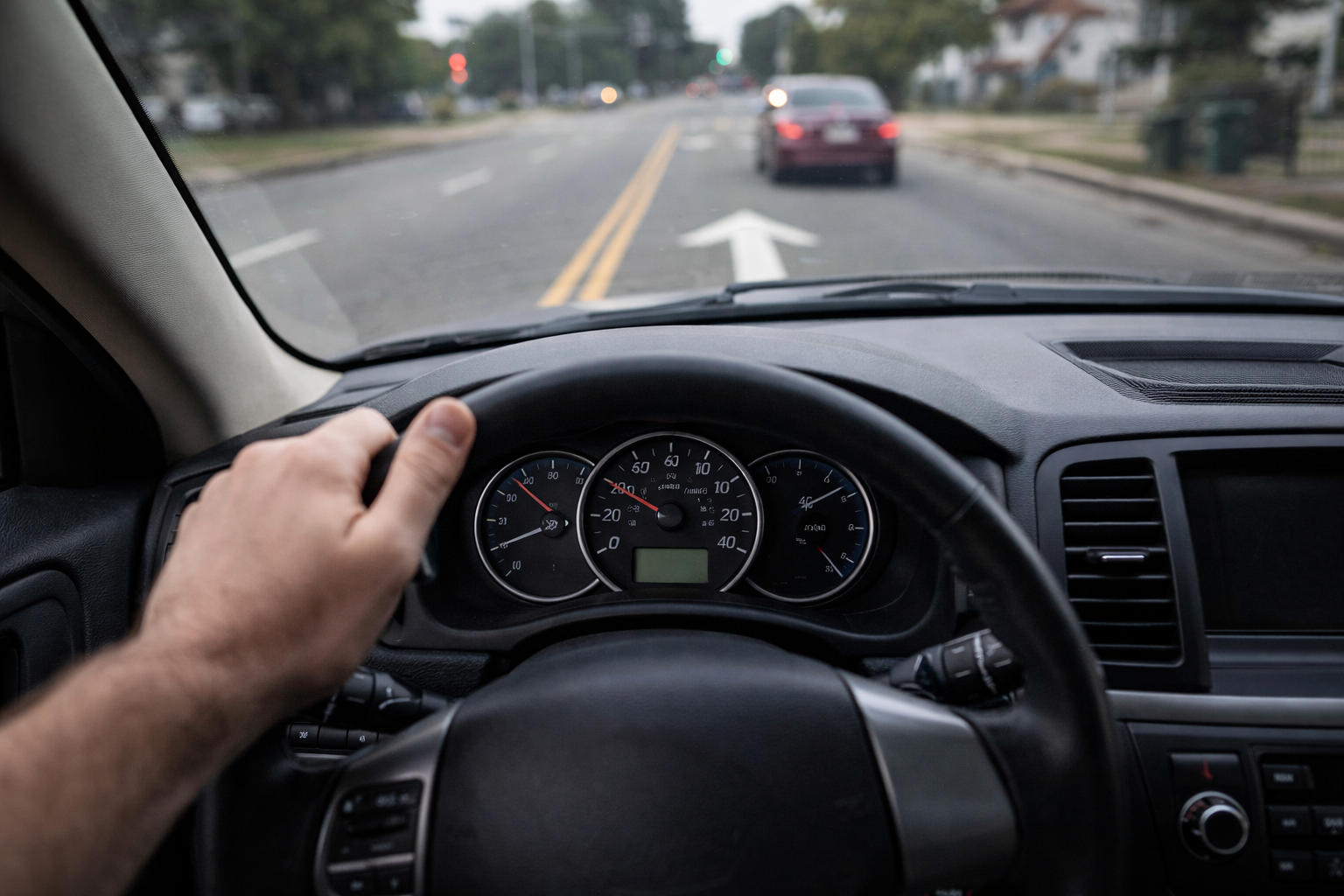
If your vehicle drifts or pulls to one side, it’s more than just an annoyance—it’s a sign that something in the braking, steering, or suspension system isn’t working evenly. While some causes are minor, others can affect stopping distance and vehicle control if left unaddressed.
Understanding when the pull happens helps narrow down the cause.
Pulling While Driving (Not Braking)
If your car pulls left or right while cruising at steady speed, common causes include:
- Wheel alignment issues Misalignment causes uneven tire contact with the road, making the vehicle drift.
- Uneven tire pressure or tire wear Even small pressure differences can cause noticeable pull.
- Suspension or steering component wear Worn tie rods, ball joints, or bushings can prevent the vehicle from tracking straight.
This type of pull often worsens gradually and may be more noticeable at highway speeds.
Pulling Only When Braking
If the pull happens primarily during braking, brake-related issues are more likely:
- Sticking or uneven brake calipers One side applies braking force more aggressively than the other.
- Uneven brake pad or rotor wear Creates inconsistent friction side to side.
- Contaminated brake components Oil or brake fluid on pads or rotors can reduce braking force on one wheel.
Brake-related pulling should be inspected promptly, as it can reduce stability during emergency stops.
Why Pulling Is a Safety Issue
A vehicle that doesn’t track straight:
- Requires constant steering correction
- Can increase stopping distance
- Reduces control in wet or emergency conditions
- Accelerates tire and brake wear
Even mild pulling can mask more serious underlying wear.
Why These Issues Are Common in Memphis Driving
Local conditions contribute to steering and brake wear:
- Stop-and-go traffic
- Rough or uneven road surfaces
- Heat that accelerates component fatigue
- High-mileage daily drivers
These factors make periodic inspections especially important.
How the Problem Is Diagnosed
At Snell Automotive, diagnosing a pull involves checking:
- Brake operation side to side
- Tire condition and pressure
- Steering and suspension components
- Alignment angles
This system-wide approach prevents unnecessary repairs and identifies the true cause.
When to Schedule an Inspection
Have your vehicle checked if:
- Pulling is noticeable or worsening
- The steering wheel isn’t centered
- Braking feels uneven or unstable
- Tire wear looks uneven
Early diagnosis often means simpler, less costly repairs.