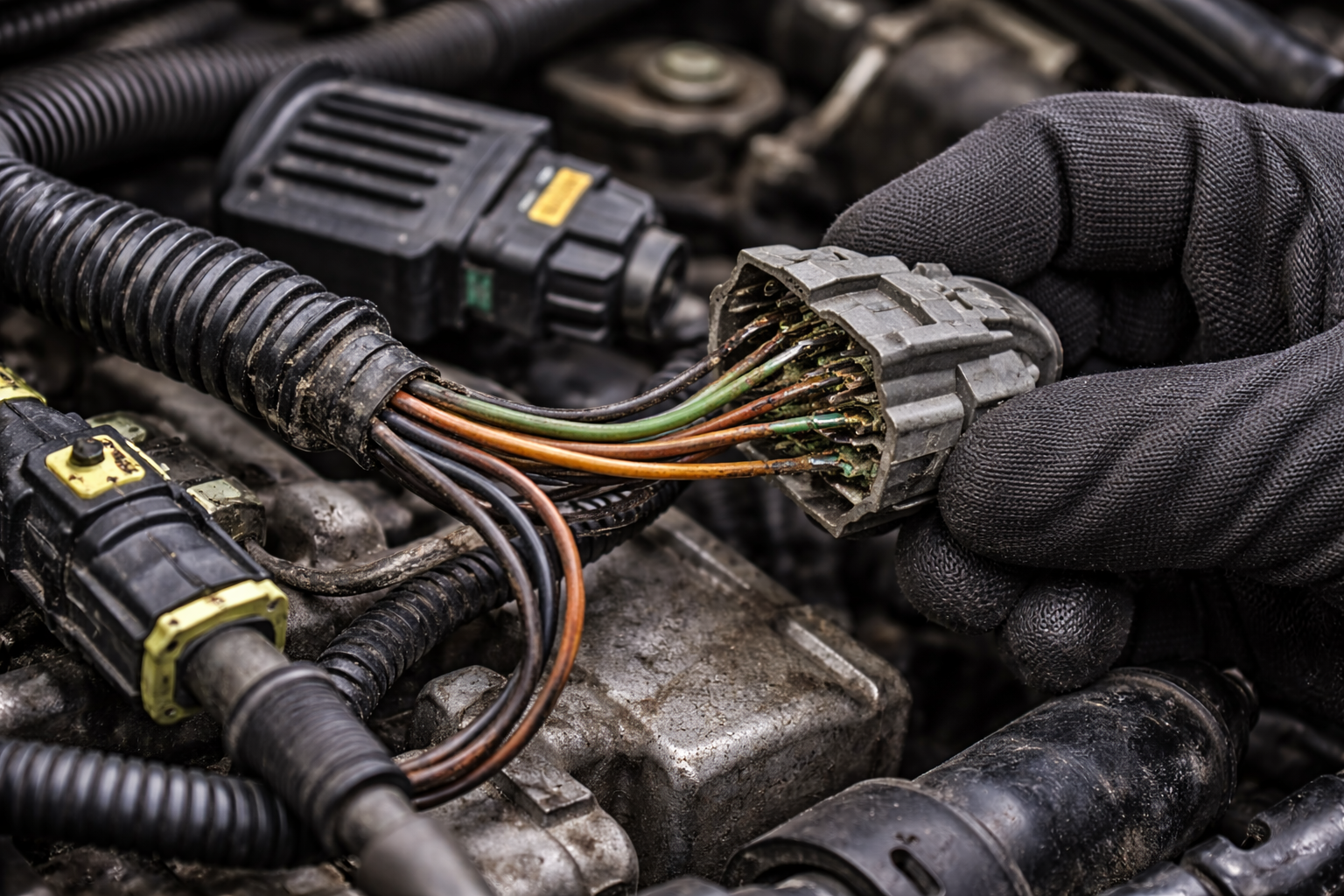
Modern vehicles depend on a network of sensors and control modules to manage engine performance, braking, safety systems, and comfort features. When one sensor or module sends incorrect data—or stops communicating altogether—it can trigger warning lights, drivability issues, or system shutdowns that seem unrelated at first glance. Understanding how these components work explains why proper diagnostics are critical.
At Snell Automotive, diagnostics focus on verifying sensor data and module communication so repairs address the actual failure—not just the symptom.
What Sensors and Control Modules Do
Sensors collect real-time data such as temperature, pressure, speed, and airflow. Control modules process that data and command systems to respond appropriately. Examples include:
- Engine and transmission control
- ABS and stability systems
- Emissions and fuel management
- Climate control and driver-assist features
When data is inaccurate or communication is disrupted, systems can’t operate as designed.
Common Symptoms of Sensor or Module Problems
Drivers often notice:
- Check engine or other warning lights
- Reduced engine performance or limp mode
- Poor fuel economy
- Intermittent electrical issues
- Systems disabling themselves (ABS, traction control, cruise control)
Because one faulty input can affect multiple systems, symptoms may seem random or unrelated.
Why Sensor and Module Failures Happen
Failures typically result from:
- Heat and vibration over time
- Moisture intrusion or corrosion
- Wiring or connector damage
- Software or communication faults
- Normal component aging
In Memphis driving conditions—heat, traffic, and daily use—these factors can accelerate wear.
Why Guessing Leads to Unnecessary Repairs
Replacing sensors based solely on fault codes can be misleading. A code often indicates where the computer noticed a problem, not what caused it. Without testing:
- Good parts may be replaced unnecessarily
- The real issue may remain
- Warning lights often return
Diagnostics verify whether a sensor is actually faulty or if wiring, power, ground, or another module is to blame.
How Sensor and Module Diagnostics Work
Professional diagnostics may include:
- Reviewing live sensor data
- Comparing readings across systems
- Testing power, ground, and signal circuits
- Verifying module communication
- Performing road tests to confirm findings
This process identifies the root cause and helps determine the most effective repair.
When to Schedule Diagnostics for Sensor Issues
You should have diagnostics performed if:
- Warning lights remain on or return
- Performance changes without a clear cause
- Multiple systems stop working together
- Electrical problems appear intermittently
Early testing often prevents larger drivability or safety issues.