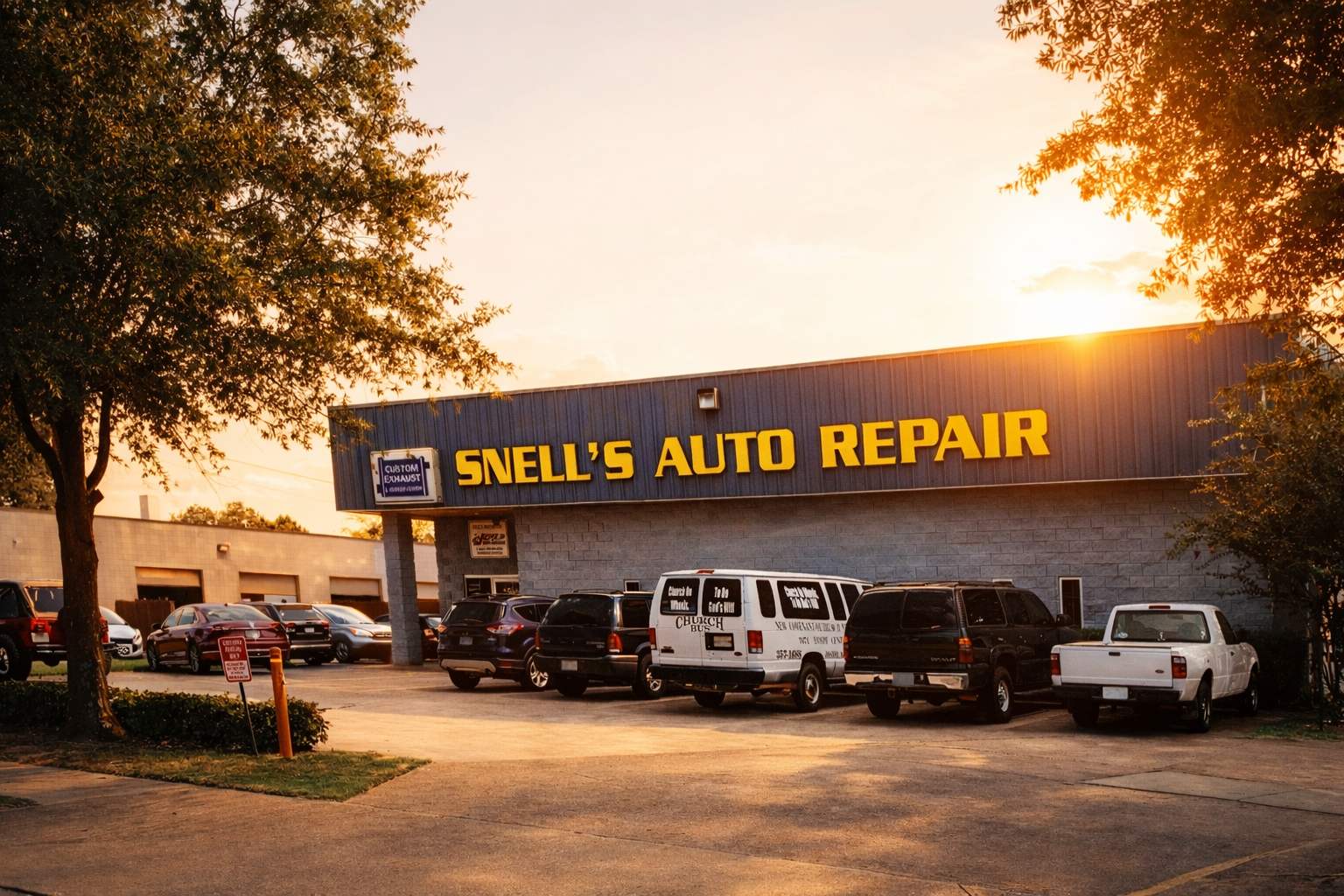
When an engine or transmission problem appears, many drivers assume the dealership is the only safe option. While dealerships play an important role, independent repair shops are often just as capable—sometimes more flexible—when it comes to diagnosing and repairing engine and transmission issues. Understanding the differences helps you choose the right service for your situation.
At Snell Automotive, engine and transmission repairs are approached with a repair-first mindset, focused on accurate diagnostics and long-term reliability.
Diagnostic Approach: Precision vs. Procedure
Dealerships often follow manufacturer-defined diagnostic paths, which can be efficient but sometimes rigid. Independent shops typically have more flexibility to:
- Investigate symptoms beyond fault codes
- Consider mechanical, electrical, and wear-related causes together
- Test real-world driving conditions
This flexibility is especially valuable when issues are intermittent or don’t fit a single fault code.
Repair Options and Flexibility
One major difference between independent shops and dealerships is repair strategy.
Independent shops often offer:
- Component-level repairs when appropriate
- Multiple repair options based on severity
- Honest assessments of repair vs. replacement
Dealerships may more frequently recommend:
- Full assemblies or replacements
- Manufacturer-specific repair paths
- Less flexibility once a system is deemed “failed”
For many engine and transmission problems, repair—not replacement—is still a viable option.
Cost Considerations
Dealership repairs often come with higher overhead and manufacturer pricing structures. Independent shops typically provide:
- Competitive labor rates
- More flexible parts sourcing
- Clear explanations of what’s necessary vs optional
Lower cost doesn’t mean lower quality—it often reflects operational differences rather than repair standards.
Modern Vehicles and Independent Shops
A common misconception is that independent shops can’t service modern vehicles. In reality, many independent shops:
- Use advanced diagnostic tools
- Stay current with evolving vehicle technology
- Service late-model and high-tech drivetrains
Today’s independent shops regularly handle complex engine and transmission systems.
Relationship and Long-Term Care
Independent shops often build long-term relationships with customers. This continuity allows technicians to:
- Track vehicle history over time
- Recognize recurring or developing issues
- Recommend preventive service based on real usage
This long-term perspective often leads to better outcomes and fewer surprise repairs.
When a Dealership May Make Sense
There are situations where dealership service is appropriate, such as:
- Warranty-covered repairs
- Manufacturer recalls
- Software updates specific to certain models
A good independent shop will be transparent if a dealership is the better option.
Choosing the Right Shop for Engine and Transmission Repairs
The best choice depends on:
- The severity of the issue
- Warranty status
- Repair vs replacement considerations
- Trust and communication
An independent shop can often provide a thorough diagnosis and clear options—without pressure.