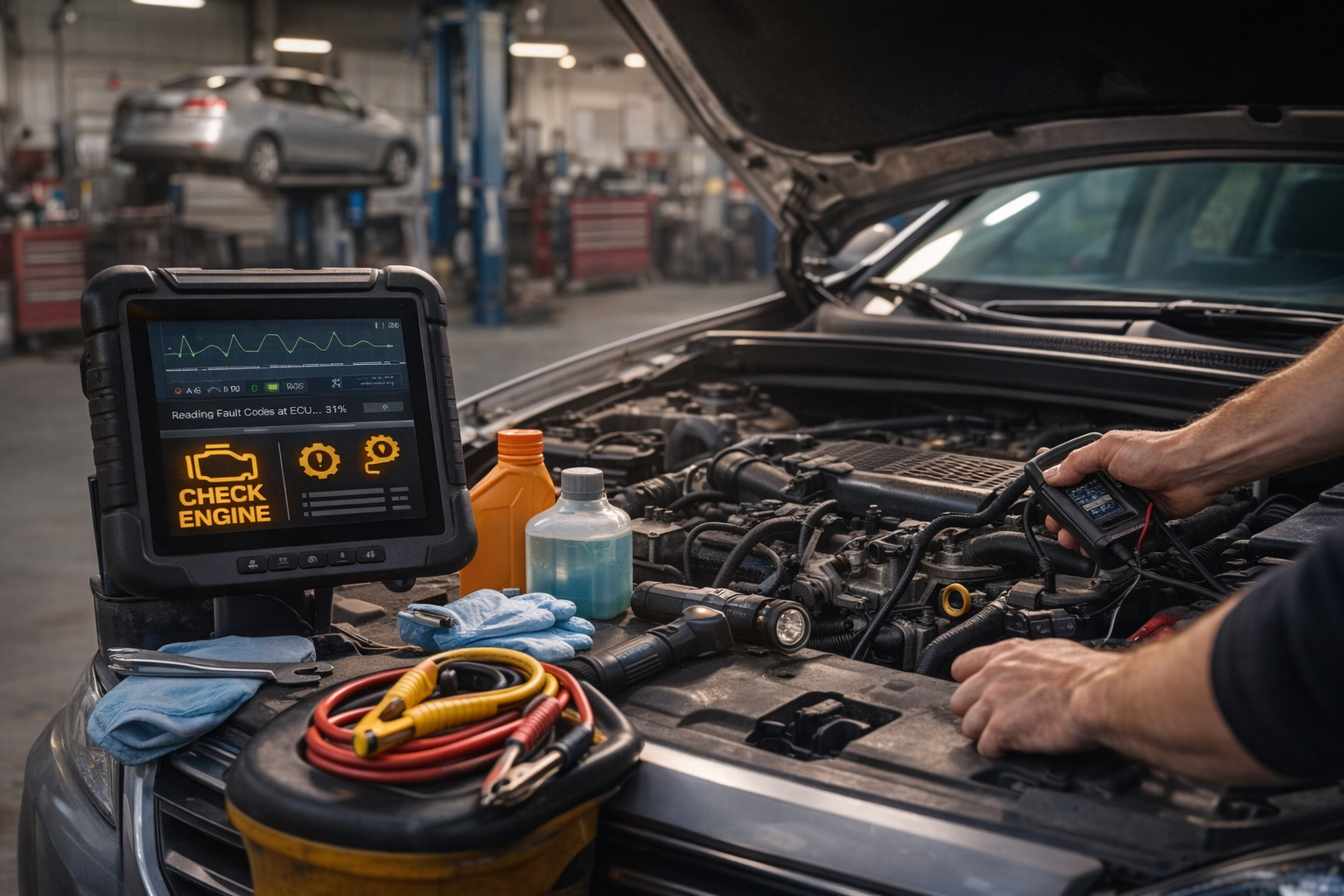
Engine and transmission issues are among the most concerning problems a driver can face. These systems are responsible for power, movement, and overall drivability, and when something feels “off,” it’s often a sign that a developing issue needs attention. Understanding the warning signs and common causes helps you make informed decisions before small problems turn into major repairs.
At Snell Automotive, engine and transmission diagnostics focus on identifying root causes—not guessing or recommending unnecessary replacements.
Common Warning Signs of Engine Problems
Engine issues often start subtly. Drivers may notice:
- A check engine light
- Rough idling or shaking
- Loss of power or hesitation
- Unusual noises like knocking or ticking
- Burning smells or visible fluid leaks
These symptoms don’t always mean major failure, but they do indicate that something isn’t operating as intended. Ignoring early signs can allow wear, overheating, or lubrication problems to escalate.
Common Warning Signs of Transmission Problems
Transmission issues usually show up through changes in how the vehicle moves or shifts, including:
- Slipping between gears
- Delayed engagement when shifting into drive or reverse
- Hard or jerky shifts
- Shuddering at certain speeds
- Fluid leaks or burning smells
Because transmissions rely heavily on fluid condition and internal pressure, early diagnosis is critical to preventing internal damage.
What Causes Engine and Transmission Issues?
Most engine and transmission problems fall into a few broad categories:
- Fluid-related issues: Low, dirty, or leaking oil or transmission fluid
- Heat-related wear: Overheating accelerates internal damage
- Sensor or electronic failures: Modern vehicles rely on electronic inputs to operate correctly
- Mechanical wear: Seals, bearings, clutches, and internal components wear over time
Many of these causes overlap, which is why proper diagnostics matter more than symptom guessing.
Why Problems Often Appear Gradually
Engines and transmissions are designed to compensate as parts wear. This means a vehicle can continue driving while damage slowly progresses. By the time performance noticeably drops, the issue may already be advanced. Early inspection helps preserve repair options and reduce overall cost.
Repair vs. Replacement: How the Decision Is Made
Not every engine or transmission concern requires replacement. In many cases, problems can be resolved through:
- Targeted mechanical repair
- Sealing leaks
- Addressing cooling or lubrication issues
- Software or sensor corrections
The key is identifying whether damage is isolated or systemic. A professional evaluation helps determine whether repair is practical or if replacement is the better long-term option.
Why Diagnostics Matter More Than Guesswork
Modern vehicles integrate mechanical systems with electronics. A warning light or drivability issue can have multiple possible causes. Diagnostic testing allows technicians to:
- Confirm fault codes
- Test system performance under load
- Identify contributing issues before recommending repairs
This approach protects both the vehicle and the owner from unnecessary work.
When You Should Have Engine or Transmission Issues Checked
You should schedule an inspection if:
- A warning light appears
- Performance changes are noticeable
- Fluid leaks are present
- Unusual noises develop
- The vehicle is used for long trips or heavy driving
Early evaluation almost always leads to better outcomes.
How Preventive Service Reduces Major Repairs
Routine maintenance—such as oil changes, fluid checks, cooling system inspections, and warning light diagnostics—plays a major role in extending engine and transmission life. Preventive service reduces heat, friction, and contamination, which are the primary drivers of internal wear.