
Brakes & Suspension Service in Memphis, TN
Safe, Smooth, and Confident Driving Starts Here
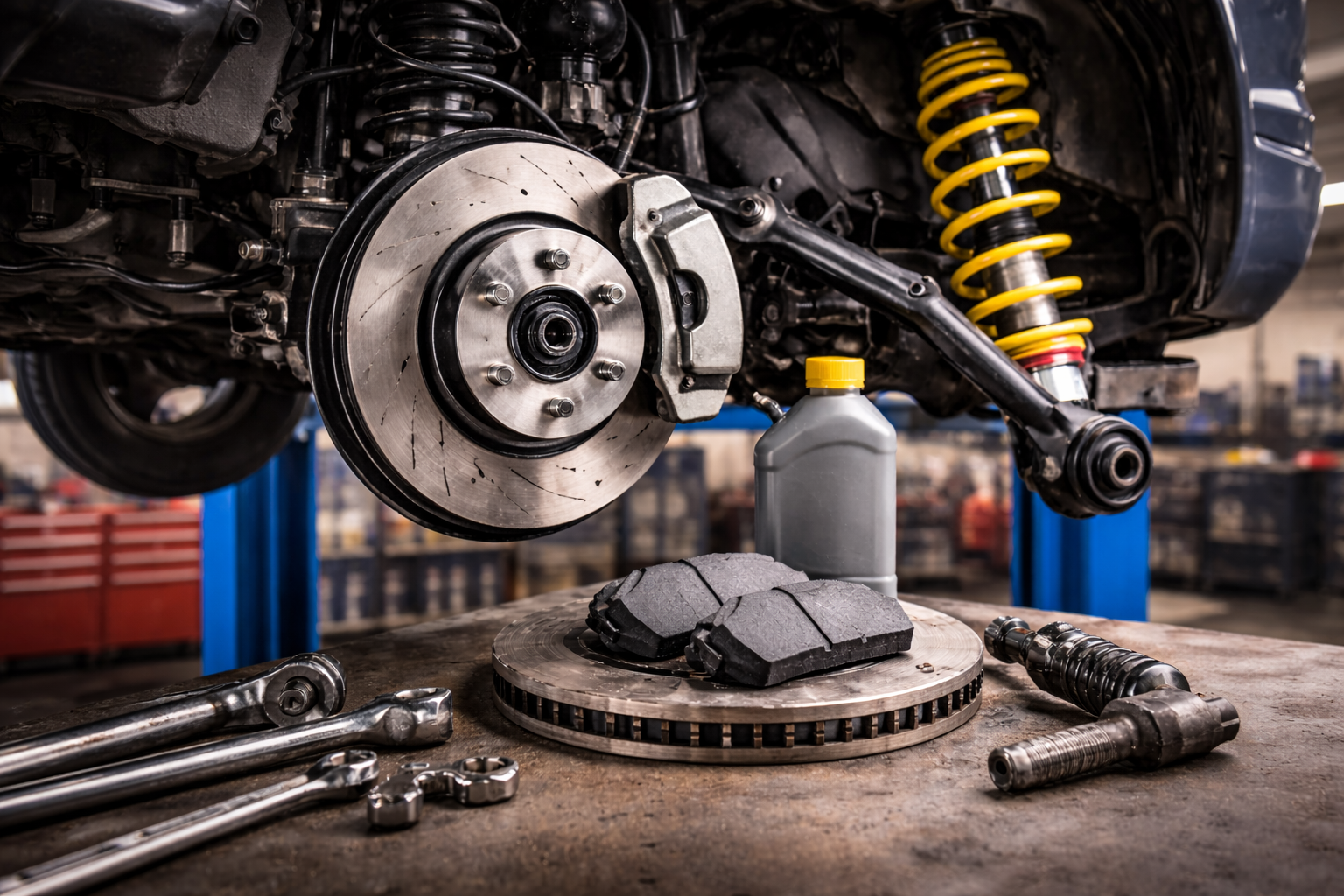
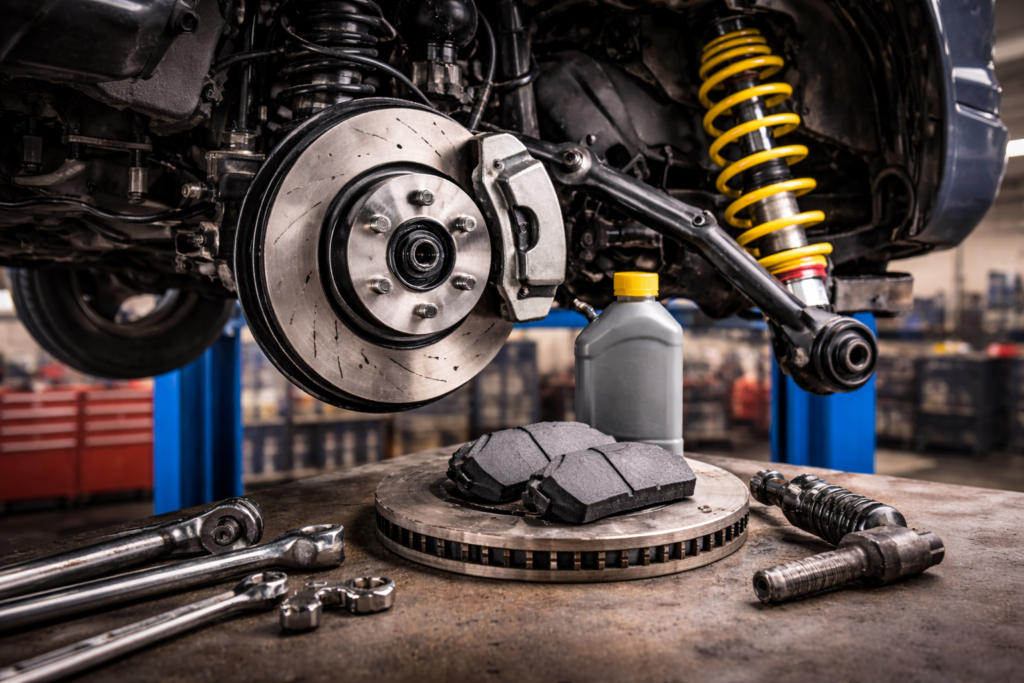
Your brakes and suspension are two of the most important safety systems on your vehicle. They don’t just help you stop—they control how your car handles bumps, turns, uneven roads, and sudden braking. At Snell Automotive, we provide professional brake and suspension service to keep your vehicle stable, responsive, and safe on Memphis roads.
- Brake pad and rotor replacement
- ABS warning light diagnostics
- Brake caliper inspection & service
- Brake fluid inspection & exchange
- Parking brake inspection & adjustment
- Brake noise, vibration, and pulsation diagnosis
Suspension & Steering Services
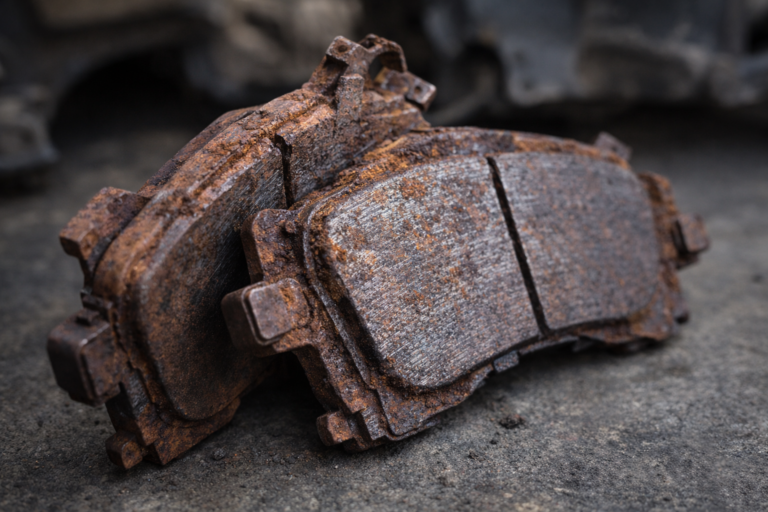
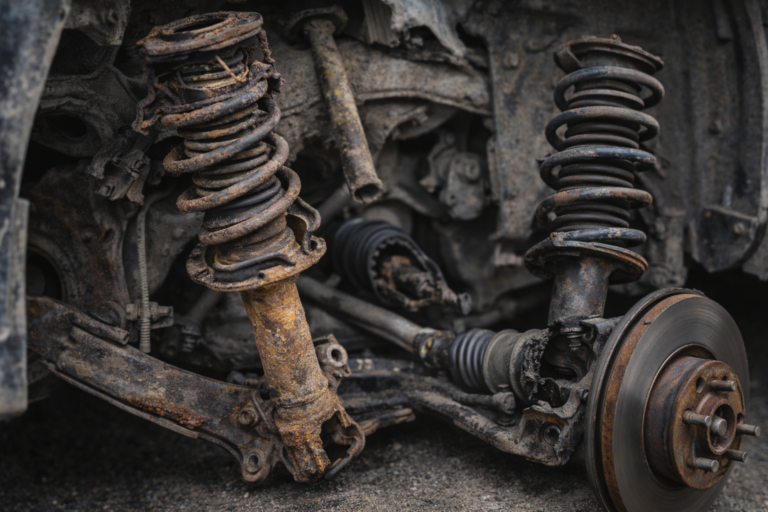
Your suspension system controls ride comfort, handling, and tire contact with the road. Worn suspension parts can make your vehicle feel unstable, bouncy, or difficult to control—especially on rough city streets.
- Control arm & bushing inspection
- Ball joint & tie rod inspection
- Steering component inspection
- Ride height & handling evaluation
- Noise and vibration diagnosis
- Shock & strut inspection and replacement
Memphis Roads Are Hard on Suspension
Stop-and-go traffic, potholes, uneven pavement, and summer heat all accelerate wear on suspension and steering components. Many Memphis vehicles—especially high-mileage ones—benefit from earlier suspension inspections than manufacturer schedules suggest.
Read On To Learn About The Importance of Brake Maintenance
Brakes, Steering & Suspension Problems: What Causes Them and When to Fix Them
A Practical Guide for Safer Driving in Memphis Your brakes, steering, and suspension work together to keep your vehicle stable, controllable, and safe. When one system starts to wear, the others often suffer—leading to longer stopping distances, poor handling, and uneven tire wear. At Snell Automotive, we see these issues develop gradually, which is why
Read MoreWhy Your Brakes Are Squeaking, Grinding, or Vibrating
Brake noises and vibrations are some of the clearest warning signs your vehicle gives you. While not every sound means immediate danger, persistent squeaking, grinding, or vibration almost always indicates wear or damage within the braking system. Understanding what each symptom means can help you act before safety or repair costs become an issue. What
Read MoreWhy Your Car Pulls Left or Right When Driving or Braking
If your vehicle drifts or pulls to one side, it’s more than just an annoyance—it’s a sign that something in the braking, steering, or suspension system isn’t working evenly. While some causes are minor, others can affect stopping distance and vehicle control if left unaddressed. Understanding when the pull happens helps narrow down the cause.
Read MoreBumpy Ride or Excessive Bouncing? Signs of Worn Shocks and Struts
Shocks and struts play a critical role in keeping your tires firmly planted on the road. When they wear out, the change is often gradual—until ride quality, braking, and handling noticeably suffer. Many drivers mistake these symptoms for “normal aging,” but worn suspension components can affect safety more than most people realize. What Shocks and
Read MoreLoose Steering or Clunking Noises? Tie Rod and Ball Joint Problems Explained
If your steering feels loose, vague, or makes clunking noises over bumps, worn steering components are often the cause. Tie rods and ball joints play a critical role in keeping your vehicle stable and responsive. When they wear, control and safety can be compromised—sometimes suddenly. What Tie Rods and Ball Joints Do Both components are
Read MoreWhat Uneven Tire Wear Says About Your Brakes and Suspension
Tires don’t wear unevenly by accident. When tread wear looks abnormal, it’s often a sign that something deeper—like brakes, suspension, or steering—is no longer working as it should. Understanding tire wear patterns can help you catch problems early and avoid replacing tires prematurely. Common Uneven Tire Wear Patterns and What They Mean Edge Wear (Inside
Read MoreHow Worn Suspension and Brakes Increase Stopping Distance
Most drivers assume stopping distance is controlled by brakes alone. In reality, braking performance depends just as much on suspension and steering components keeping the tires firmly planted on the road. When any part of this system wears out, stopping distance increases—sometimes dramatically. Why Brakes Don’t Work Alone Brakes create friction, but tires stop the
Read More