Shocks and struts play a critical role in keeping your tires firmly planted on the road. When they wear out, the change is often gradual—until ride quality, braking, and handling noticeably suffer. Many drivers mistake these symptoms for “normal aging,” but worn suspension components can affect safety more than most people realize.
What Shocks and Struts Actually Do
While often confused with springs, shocks and struts:
- Control suspension movement
- Reduce bouncing after bumps
- Keep tires in contact with the road
- Help maintain stability during braking and turns
When they wear out, your vehicle may still drive—but not safely.
Common Signs of Worn Shocks and Struts
Typical symptoms include:
- Excessive bouncing after bumps
- Rough or bumpy ride, even on smooth roads
- Nose diving when braking
- Swaying or leaning during turns
- Poor handling at highway speeds
If your vehicle continues to bounce more than once after hitting a bump, the shocks or struts may no longer be controlling movement properly.
How Suspension Wear Affects Braking
Worn shocks and struts reduce tire contact with the road, which can:
- Increase stopping distance
- Reduce braking stability
- Cause uneven brake and tire wear
Even with good brake pads and rotors, worn suspension components can compromise stopping performance.
Uneven Tire Wear Is a Warning Sign
Suspension wear often shows up on tires first. Look for:
- Cupping or scalloped tread patterns
- Rapid or uneven wear
- Tires wearing out faster than expected
Replacing tires without addressing worn shocks or struts usually leads to the same problem returning.
Why These Issues Are Common in Memphis
Local driving conditions accelerate suspension wear:
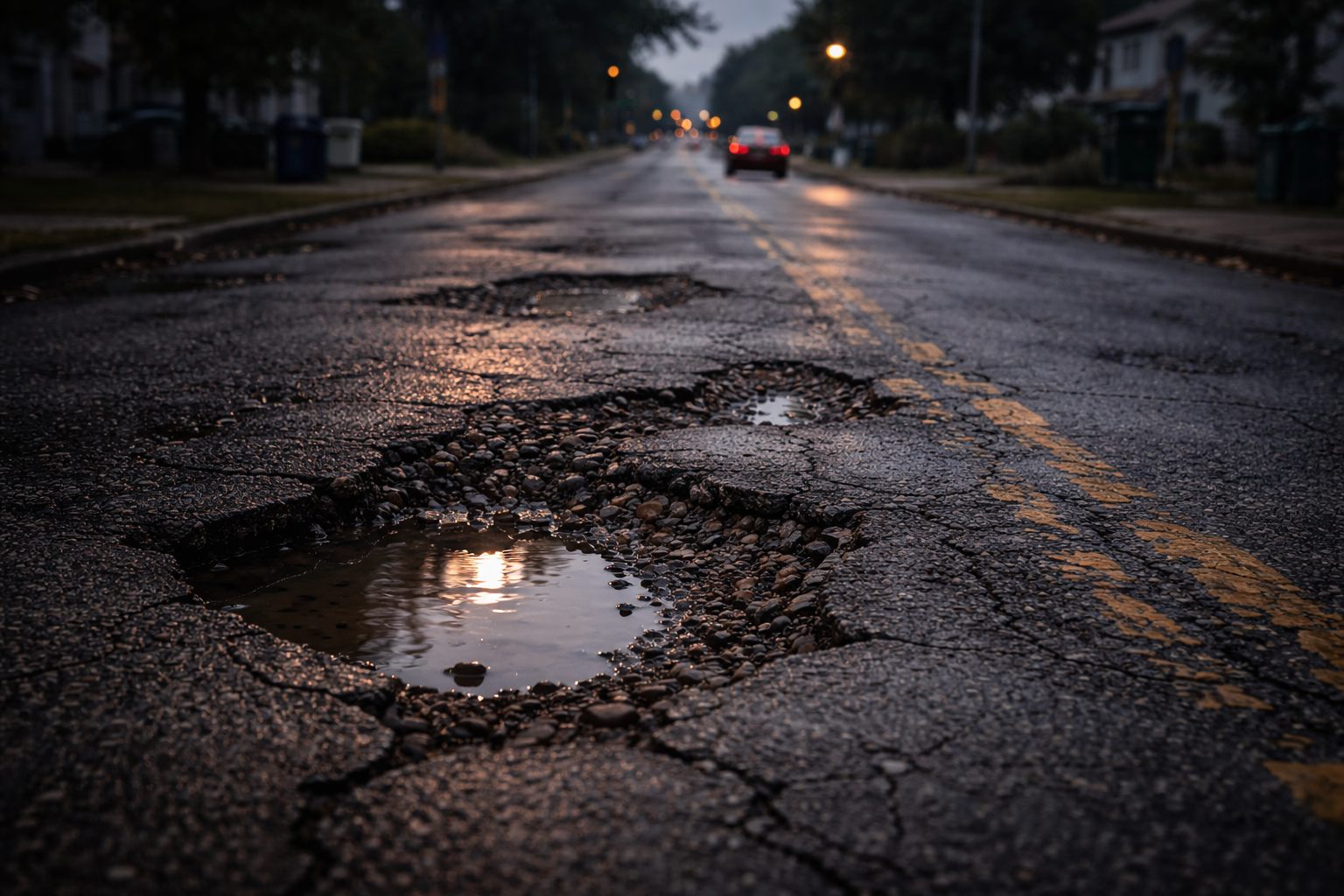
- Rough road surfaces
- Frequent stop-and-go traffic
- Heat that breaks down components faster
- High-mileage daily driving
That combination makes periodic suspension inspections especially important.
When to Have Shocks and Struts Checked
You should schedule an inspection if:
- Ride quality has noticeably worsened
- The vehicle feels unstable over bumps
- Braking causes excessive front-end dive
- Tires are wearing unevenly
Suspension issues rarely improve on their own.
How Suspension Inspections Are Handled at Snell Automotive
At Snell Automotive, suspension inspections include:
- Shock and strut condition
- Related steering and suspension components
- Tire wear patterns
- Overall vehicle stability
This helps ensure worn parts are identified before they affect braking and safety.